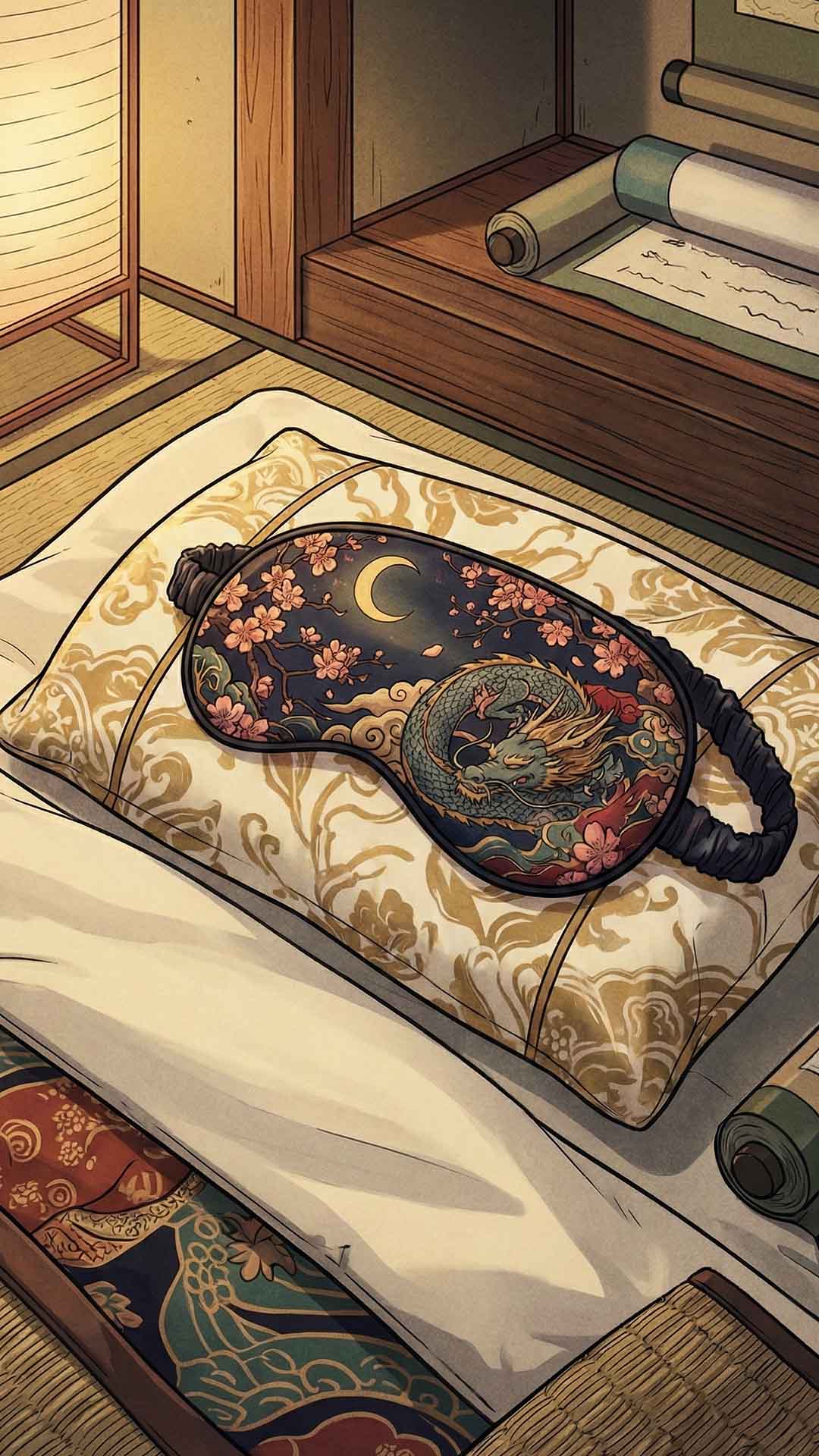
You’re lying awake at 2 AM because your partner’s reading light feels like a spotlight. Or you work nights and your bedroom gets California sunshine at 10 AM. Sleep masks block light. Every single one. 100% success rate on that promise.
Your other sleep problems determine whether you’ll be in the 90% who love their mask after a year, or the 10% who don’t. 68 ownership experiences reveal how to pick the mask that solves your specific problem.
Match Your Sleep Problem to Your Mask Type
“I Just Need Darkness” → Simple Silk Mask. Silk masks hit 69.7% high satisfaction. Cool, hypoallergenic, zero failure points. No batteries, no complicated contours, no bulk. When you remove every potential failure point, you’re left with fabric that blocks light and stays comfortable. If you have other problems (eye pressure, side sleeping), silk alone won’t solve them.
“I Feel Pressure on My Eyeballs” → Contoured Masks (Manta, MZOO). Contoured masks achieve 65.6% high satisfaction by lifting fabric off your eyes entirely. You can blink inside them. Trade-off: they’re bulkier. That bulk bothers some people but saves others from flat-mask pressure headaches. Works for: people who felt claustrophobic with flat masks, false lash wearers, anyone who can’t stand things touching their eyelids.
“I’m a Side Sleeper.” Side sleepers report consistently lower satisfaction across all mask types. When your face mashes into a pillow, every mask becomes a pressure point. Contoured masks distribute pressure better than flat ones, but you’re still fighting gravity. The side sleepers who succeeded either accepted some discomfort as the price of darkness, or used ultra-thin silk and dealt with more eye contact. If you’re a committed side sleeper, your satisfaction odds are lower.
“I Run Hot at Night” → Avoid Thick/Foam Designs. Heat buildup is rare (1 case of 68) but real, mentioned with thicker masks like Tempur-Pedic style and foam contoured designs. Silk is naturally cooling and breathable. If you already wake up sweaty, skip the cushioned masks.
“I Want the Heated/Cooling/Tech Version.” Electronic masks showed poor reliability, all 4 models we reviewed failed within 5 months. Battery death, charging port failure, or DOA out of the box. Small sample, but notable compared to near-zero failures for simple masks. If you still want tech: factor in warranty replacements as likely and budget for a backup simple mask. Only consider if you’re comfortable troubleshooting or genuinely need temperature control for medical reasons.
How Long Do Sleep Masks Last?
99% Adapt Immediately
67 of 68 users had no struggle. First night works. No adjustment period needed.
Electronic Failures Begin
All 4 electronic models we reviewed failed by this point. Battery death, charging port issues, or DOA.
Minor Issues Emerge
Rare skin irritation (1 case). Some users develop dependency, 4% report 'cannot sleep without it.' Those who experience it don't mind.
Wear Appears
Velcro starts weakening. Fabric might separate at seams if you wash frequently.
90% Still Satisfied
17 of 19 long-term users maintain high satisfaction. If you've made it this far happily, you're probably a lifer.
Who Stays Happy After a Year?
The Satisfied Majority
Picked simple designs (silk or basic contoured), avoided electronic complexity, and set realistic expectations about what a mask can do.
The Disappointed
Either had electronic failures, picked the wrong type for their sleep position (side sleepers especially), or expected zero trade-offs.
If you choose based on your actual problem (not just “I need darkness”) and skip unnecessary complexity, your odds of joining the satisfied majority are high.
Should You Buy a Sleep Mask?
- Simple silk if you just need darkness ($15-30, 69.7% high satisfaction)
- Contoured if eye pressure drives you crazy ($35-50, 65.6% satisfaction)
- Back-sleepers will have the easiest time with any style
- You want “set it and forget it” reliability
- Side sleepers face consistently lower satisfaction (physics problem, not mask problem)
- Electronic versions had reliability issues in our testing (4 failures across 4 models)
- If you hate things on your face, try blackout curtains first
- Summer sleepers should avoid thick/foam designs (heat buildup)
Reconsider if: You’re a committed side sleeper expecting perfection (set expectations low or try alternatives). You can’t tolerate minor annoyances (velcro snags, slight adjustment period, washing requirements).
Are Sleep Masks Worth It?
Here’s the thing: sleep masks are one of the rare products where almost everyone wins. 90% stay happy after a year, and 99% adapt on the very first night. The only real question is which type matches your situation. If you just need darkness, grab a $20 silk mask and you’re done. If eye pressure bugs you, go contoured. Side sleepers should set expectations a bit lower since physics is working against you, and hot sleepers should skip the foam. Skip the electronic versions entirely unless you genuinely need temperature control for medical reasons, because all four we tested failed within five months. That’s it. Pick based on your actual sleep problem, keep it simple, and you’ll probably love it.
Sources
Note: Online reviews over-represent problems. This analysis accounts for that bias when identifying patterns. Based on 68 documented ownership experiences, including 12 Reddit discussions from r/BuyItForLife, r/sleep, r/digitalnomad, r/nursing, 38 Amazon verified purchases, 10 professional evaluations from sleepopolis.com, techgearlab.com, 8 product forums from flyertalk.com, tripadvisor.com. Research period: 1 day to 8+ years of ownership (as of December 2025).
About the Author
Jessi is the creator of Further Review. After wasting money on too many "highly rated" products, she started analyzing thousands of ownership experiences to actually feel confident about what she buys. Now she shares the patterns, purchase strategies, and buy-it-for-life finds through Further Review (learn the team's methodology).