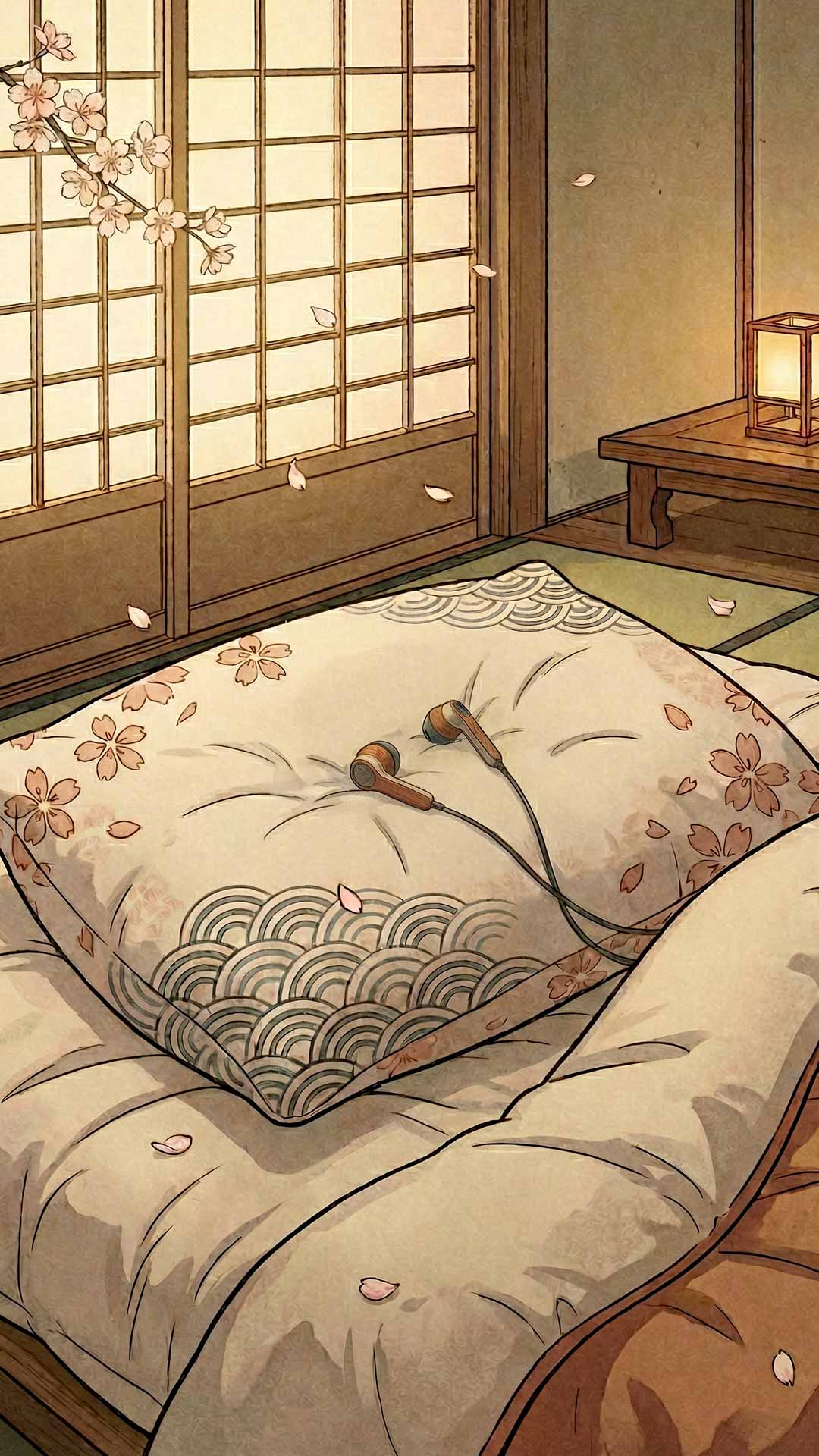
Sleep earbuds work well for about a third of buyers, disappoint another third, and land in “fine, I guess” territory for the rest.
After 226 reviews reveal patterns across major brands, the difference between camps comes down to three predictable factors: the product you choose, whether you nail the fit, and your tolerance for daily charging. Here’s how to join the satisfied third.
Where Sleep Earbuds Fall Short
Two product limitations cause most disappointments:
Fit challenges. 71% of comfort mentions are positive, but success has a pattern: sizing down ear tips. The instinct is to go bigger for better seal. Wrong. Smaller tips sit flatter, hurt less, and stay put overnight. “Sized down to smallest tip and they’ve stayed put” appears repeatedly in positive reviews.
Charging friction. 60 reviews cite charging problems—finicky contacts, alignment issues, case failures. That’s over 1 in 4 buyers. “Every time I have to fidget with at least one earbud to get it to charge.” This is the slow-burn frustration that tanks long-term satisfaction. Ozlo and Bose owners report the most issues.
Blocking a Snoring Partner
Ten reviews specifically mention this use case, and results lean positive. The physical seal blocks more than you’d expect without active noise cancellation—one reviewer noted “unless you sleep next to a Snorlax, they do the job.”
Severe snoring still gets through. If your partner could wake the neighbors, you need ANC earbuds or separate bedrooms. But moderate snoring? Manageable for most.
Side Sleepers: Better News Than Expected
If you’re a side sleeper, you’ve probably had earbuds fail you before—digging into your ear, falling out, waking you up. 70% of the 20 reviews explicitly mentioning side sleeping were positive.
The keys: flat-profile designs (the Soundcore A20 comes up repeatedly), smallest tip size that still seals, and what one user called “cartilage insertion”—twisting the bud into the outer ear. “Every morning during two weeks of testing I’ve woken up with buds still in place.” Another: “They worked like a hot damn.”
Battery Life: Advertised vs. Actual
- Claimed 8 hours → Often delivers 6-7 hours real-world
- Soundcore A20 claims 10-14 → Users report this is accurate
- Sony/Kokoon at year 2 → “Battery went from 7h to 15min”
Plan to charge daily. If you forget one morning and your earbuds die at 3 AM, you’ll understand why 60 reviews mention charging as their primary frustration. The A20’s longer battery buys you margin for error.
Note: Soundcore has since released the A30 ($229) with active noise cancellation. The A20 remains at ~$150 as the budget option.
Decision Framework
- You choose the right product upfront (A20 or similar flat-profile design)
- You’re willing to experiment with smaller ear tip sizes
- You already charge devices daily without thinking about it
- Your expectations are “sleep tool” not “audiophile experience”
- You buy budget (A10, no-name Amazon brands)
- You expect set-and-forget reliability
- You’re a very loud snorer’s partner
- You have sensitive ear canals or prior earbud discomfort
You’ll land in the 30.5% middle if: They work okay but charging is annoying. Fit is fine some nights, not others. You’d maybe recommend them, maybe not.
The Bottom Line
Sleep earbuds work for about a third of buyers—lower than most product categories but higher than forums suggest. The path to that third is narrow but clear: flat-profile design (Soundcore A20 leads in our data), smallest comfortable tip, daily charging ritual.
If you’re a side sleeper with a moderately snoring partner and you don’t mind the charging discipline, your odds are better than average. If you want something you can forget about, these aren’t your product.
Sources
Note: Online reviews over-represent problems. This analysis accounts for that bias when identifying patterns. Based on 226 documented ownership experiences, including 35 Reddit discussions from r/misophonia, r/sleepheadphones [1, 2], r/headphones, r/Earbuds, r/BuyItForLife, r/HeadphoneAdvice, 45 Amazon verified purchases, 20 professional evaluations, 30 product forums, and additional verified sources. Research period: 1 week to 2+ years of ownership (as of February 2026).
About the Author
Jessi is the creator of Further Review. After wasting money on too many "highly rated" products, she started analyzing thousands of ownership experiences to actually feel confident about what she buys. Now she shares the patterns, purchase strategies, and buy-it-for-life finds through Further Review (learn the team's methodology).